
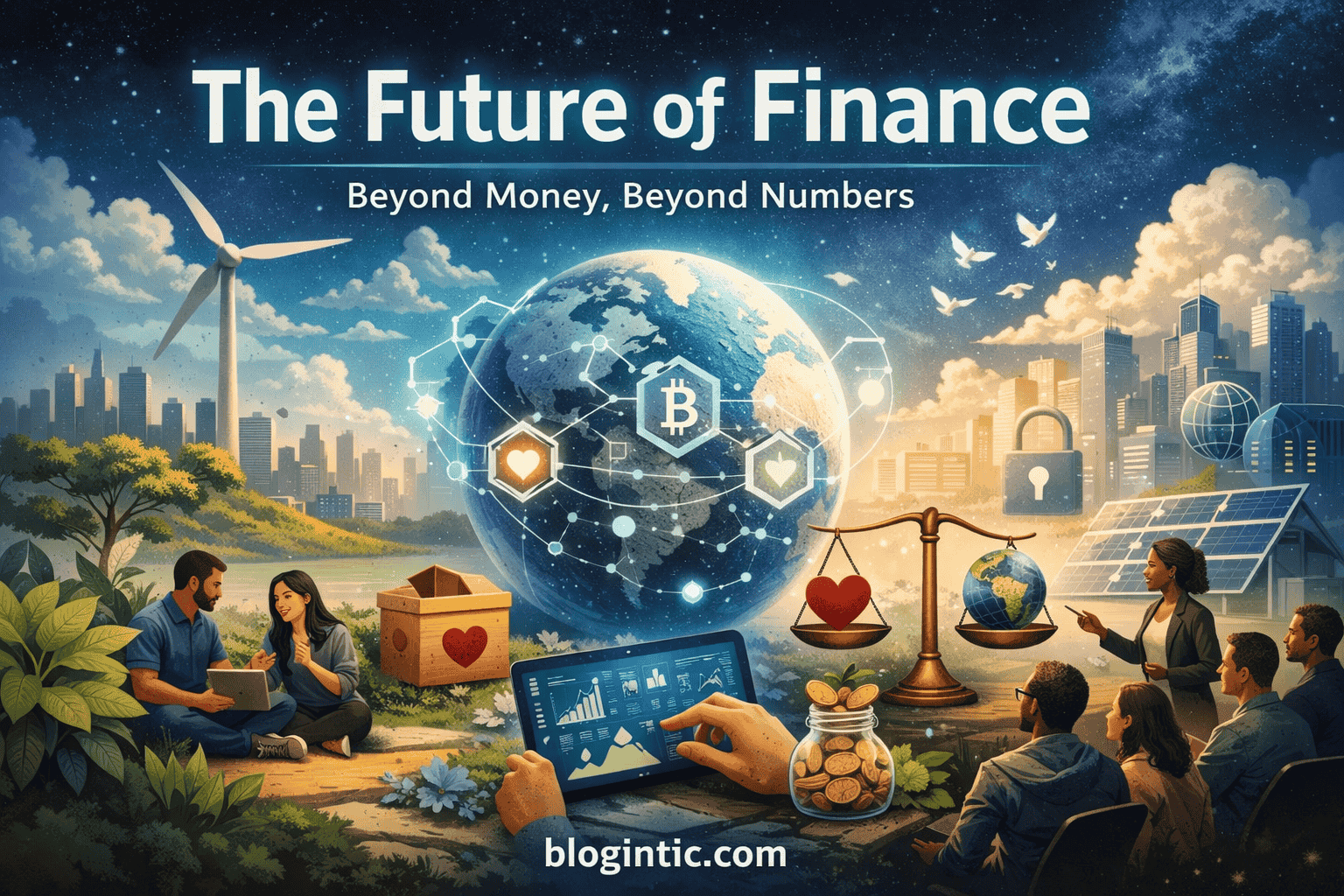
In a world where wealth is measured in numbers, charts, and quarterly reports, Money Disquantified Org introduces a bold question: What if money is not the only measure of value?
The traditional financial system revolves around quantification — profit margins, GDP growth, net worth, and interest rates. But today, many people are rethinking wealth, purpose, and value beyond numbers. This is where the idea of disquantified finance enters the conversation.
This in-depth guide explores the meaning, philosophy, mission, practical relevance, legitimacy, and future outlook of Money Disquantified Org — while examining how it connects to financial inclusion, ethical financial practices, decentralized finance (DeFi), blockchain transparency, and the broader social impact of money.
What Is Money Disquantified Org?
Money Disquantified Org is centered around the concept of redefining financial value beyond traditional numeric measurements. Instead of focusing purely on profit, accumulation, and quantitative financial metrics, it promotes the idea that wealth includes social capital, emotional labor value, ecological preservation value, and cultural continuity.
At its core, the concept of “disquantified” challenges the assumption that everything valuable must be measurable in currency.
The Meaning of “Disquantified”
The term “disquantified” suggests removing the strict numerical framework used in conventional finance. Traditional financial systems measure value strictly through:
- Market prices
- Asset valuations
- Profit and loss statements
- Return on investment
Disquantified finance expands this perspective. It asks:
- What about unpaid caregiving?
- What about community trust?
- What about environmental sustainability?
- What about purpose-based value?
These are forms of wealth that traditional financial accounting often ignores.
Why Money Disquantified Org Matters in Today’s Financial World
Modern economies are experiencing rapid transformation. The rise of decentralized finance (DeFi), blockchain transparency, and alternative financial systems shows that people are searching for new models.
Here’s why this concept is relevant today:
1. Growing Distrust in Traditional Financial Systems
Many people feel disconnected from large institutions. Concerns include:
- Institutional bias
- Regulatory issues for finance innovation
- Lack of financial inclusion
Money Disquantified Org enters this conversation by encouraging a broader view of value and fairness.
2. The Shift Toward Financial Inclusion
Financial inclusion ensures access to banking, investment, and financial tools for all. However, inclusion isn’t just about access — it’s about dignity, empowerment, and education.
3. Demand for Ethical Financial Practices
Consumers increasingly want:
- Sustainable investment strategies
- Socially responsible business models
- Transparent systems
By emphasizing ethical financial practices, the disquantified philosophy aligns with these demands.
The Philosophy Behind “Disquantified” Finance
Disquantified finance challenges the assumption that numeric growth equals progress.
Traditional View of Wealth
In conventional finance:
- Higher GDP = stronger economy
- Higher net worth = greater success
- Higher profits = better performance
But this model can ignore:
- Environmental damage
- Social inequality
- Emotional well-being
- Community resilience
Expanding the Definition of Value
Money Disquantified Org promotes the idea that true wealth includes:
- Social capital (relationships, trust, networks)
- Emotional labor value (caregiving, mentorship, support)
- Ecological preservation value (protecting natural systems)
- Cultural continuity (preserving heritage and knowledge)
This doesn’t reject money — it reframes it within a broader ecosystem of value.
Core Principles & Mission of Money Disquantified Org
The mission revolves around reshaping how we understand money and its role in society.
1. Human-Centered Financial Thinking
Instead of prioritizing institutions, it prioritizes individuals and communities.
2. Education & Financial Literacy
Financial literacy is central to empowerment. Interactive financial learning, budgeting insights, and investment insights help individuals understand how money works today.
3. Transparency & Accountability
Through ideas inspired by blockchain transparency and decentralized finance, the philosophy supports systems that are open and verifiable.
4. Sustainable & Ethical Finance
Ethical financial practices ensure that economic growth does not come at the cost of environmental or social damage.
How Money Disquantified Org Is Different From Traditional Finance
| Traditional Financial System | Disquantified Finance Approach |
| Focuses on profit maximization | Focuses on purpose-based value |
| Measures success numerically | Measures success socially & ethically |
| Institutional control | Community dialogue forums |
| Centralized power | Inspired by decentralized finance (DeFi) |
| Short-term growth focus | Long-term sustainability focus |
The difference lies not in rejecting money, but in redefining its role.
Key Features & Components
To compete in search rankings, it’s essential to understand the functional aspects often discussed:
1. Financial Tools & Resources
- Budgeting frameworks
- Investment insights
- Alternative financial systems explanations
2. Interactive Financial Learning
Learning about how money works today in a simplified, accessible way.
3. Community Dialogue Forums
Encouraging discussions around:
- Ethical finance
- Social impact of money
- Financial reform
4. Innovative Financial Ideas
Including discussions about:
- Decentralized finance (DeFi)
- Blockchain transparency
- New governance models
Real-World Applications: How It Helps You
This is where many competitor articles remain vague. Let’s make it practical.
1. Better Financial Awareness
Understanding traditional financial systems helps you make smarter decisions about budgeting and investing.
2. Ethical Decision-Making
You may begin considering:
- Where your investments go
- The environmental impact of companies
- The social capital generated by your spending
3. Empowerment Through Education
Interactive financial learning improves confidence in:
- Managing personal budgets
- Evaluating investment opportunities
- Understanding economic trends
4. Community Building
Financial inclusion grows when communities share knowledge and resources.
Criticisms & Concerns About Money Disquantified Org
Balanced coverage builds trust and E-E-A-T credibility.
1. Scalability Challenges
Scaling new finance models globally is difficult.
2. Regulatory Issues for Finance Innovation
New systems often face resistance from regulators.
3. Resistance to Change in Finance
Traditional institutional bias can slow adoption.
4. Practical Measurement Dilemma
If we remove quantification entirely, how do we measure impact?
This is a legitimate question. The goal isn’t eliminating numbers but broadening what counts as value.
Is Money Disquantified Org Legit or a Scam?
When researching online platforms, many users ask about legitimacy.
Here’s how to evaluate:
✔ Transparency
Does the platform clearly state its mission and principles?
✔ Educational Value
Does it provide real financial literacy resources?
✔ Community Engagement
Are discussions meaningful and constructive?
✔ No Unrealistic Promises
Legitimate educational platforms do not promise guaranteed profits.
From an informational standpoint, the philosophy focuses on financial education and rethinking value — not on quick-rich schemes.
Comparing Competitors: Where It Stands in the Financial Niche
In the niche of alternative financial systems, there are generally three categories:
- Pure investment platforms
- Cryptocurrency & DeFi projects
- Educational & philosophical finance movements
Money Disquantified Org fits most strongly into the third category.
Unlike profit-driven crypto platforms, its emphasis is on:
- Financial literacy
- Ethical finance
- Social impact of money
- Value beyond money
This distinction helps clarify user intent and search positioning.
Future Outlook: What’s Next for Disquantified Finance?
Financial systems are evolving.
1. Growth of Decentralized Finance (DeFi)
Blockchain transparency and decentralized governance models continue expanding.
2. Increasing Demand for Ethical Investment
Investors increasingly consider environmental and social metrics.
3. Hybrid Financial Models
Future systems may combine:
- Traditional finance
- Decentralized technology
- Human-centered value frameworks
Disquantified finance ideas may influence how institutions integrate social capital metrics into economic reporting.
The Bigger Picture: Redefining Wealth in the 21st Century
We are entering a time when wealth is no longer defined solely by bank balances.
True prosperity may include:
- Community strength
- Environmental sustainability
- Knowledge sharing
- Emotional resilience
Money remains important — but it is not the only form of value.
Money Disquantified Org contributes to an important discussion: Should money measure everything? Or should money serve humanity rather than define it?
Check out: Ultimate FTAsiaTrading Ecommerce Tips Complete Guide to Boost Sales Traffic & Growth in 2026
Final Thoughts
The financial world is changing rapidly. With the rise of decentralized finance, blockchain transparency, financial inclusion movements, and ethical financial practices, the concept of disquantified finance is gaining relevance.
Money Disquantified Org represents a philosophical shift — one that encourages us to reconsider how we define wealth, success, and economic value.
Instead of asking only:
“How much is it worth?”
It invites us to ask:
“What kind of value does it create?”
That shift — from numbers alone to meaningful impact — may define the future of finance.
FAQs
What does “disquantified” mean in finance?
It refers to expanding financial value beyond strict numerical measurements and recognizing social, environmental, and emotional contributions.
How is Money Disquantified Org different from traditional financial systems?
Traditional systems focus primarily on numeric growth. Disquantified finance emphasizes purpose-based value, financial inclusion, and ethical financial practices.
Does it relate to decentralized finance (DeFi)?
Yes, the philosophy aligns with principles of decentralization, transparency, and community empowerment.
Why is financial literacy important in this model?
Financial literacy enables individuals to participate confidently in both traditional and alternative financial systems.